

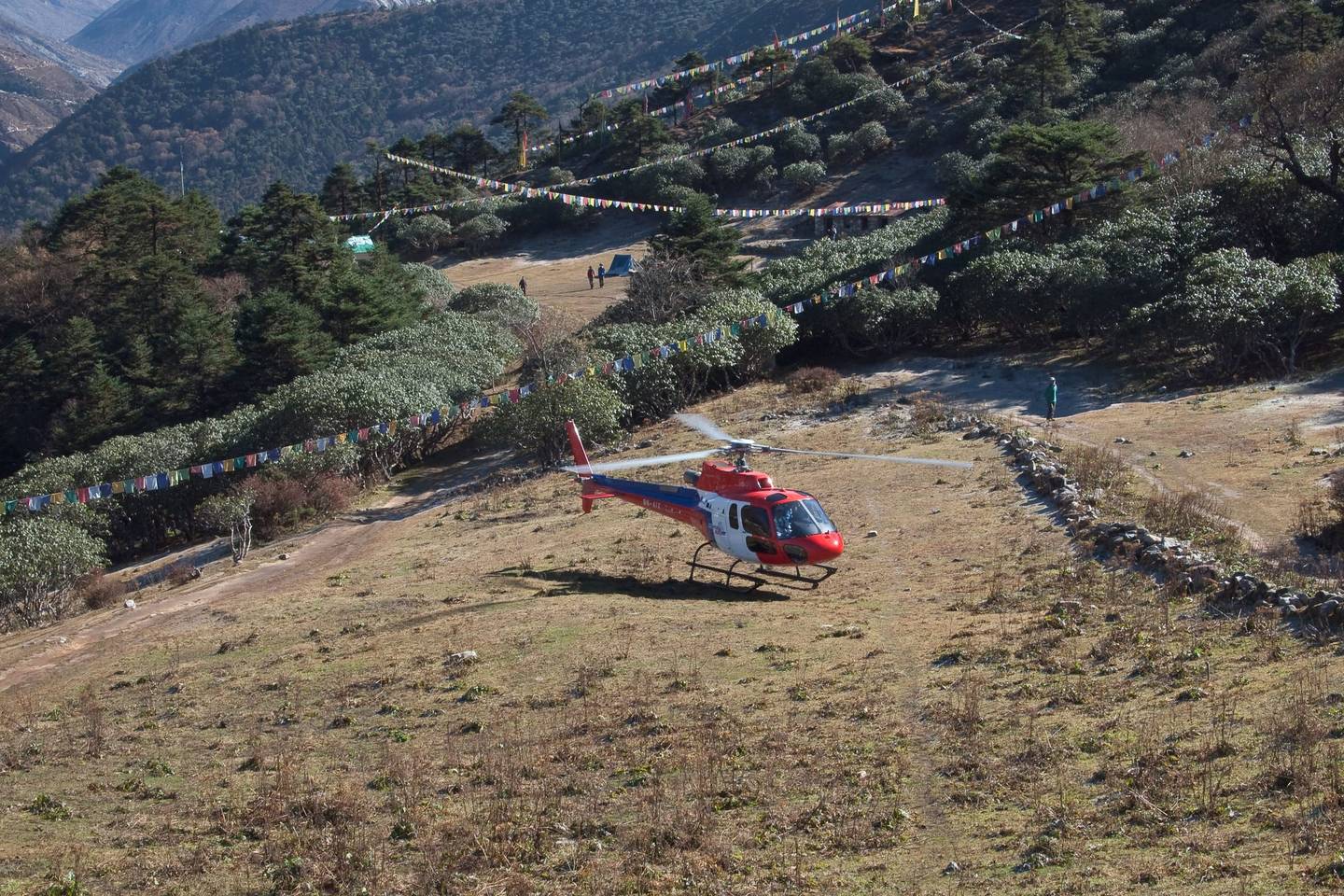
Helicopter travel in Nepal, season by season.
Which month to fly which valley, what a Himalayan helicopter morning actually involves, and how weight and altitude decide your flight. Every article carries the date it was written.
- Posts published
- 29
- Subjects
- 4
- Reading, all of it
- 3 h 26 min
- Newest
- 23 Oct 2026
 © Gerd Eichmann · CC BY-SA 4.0
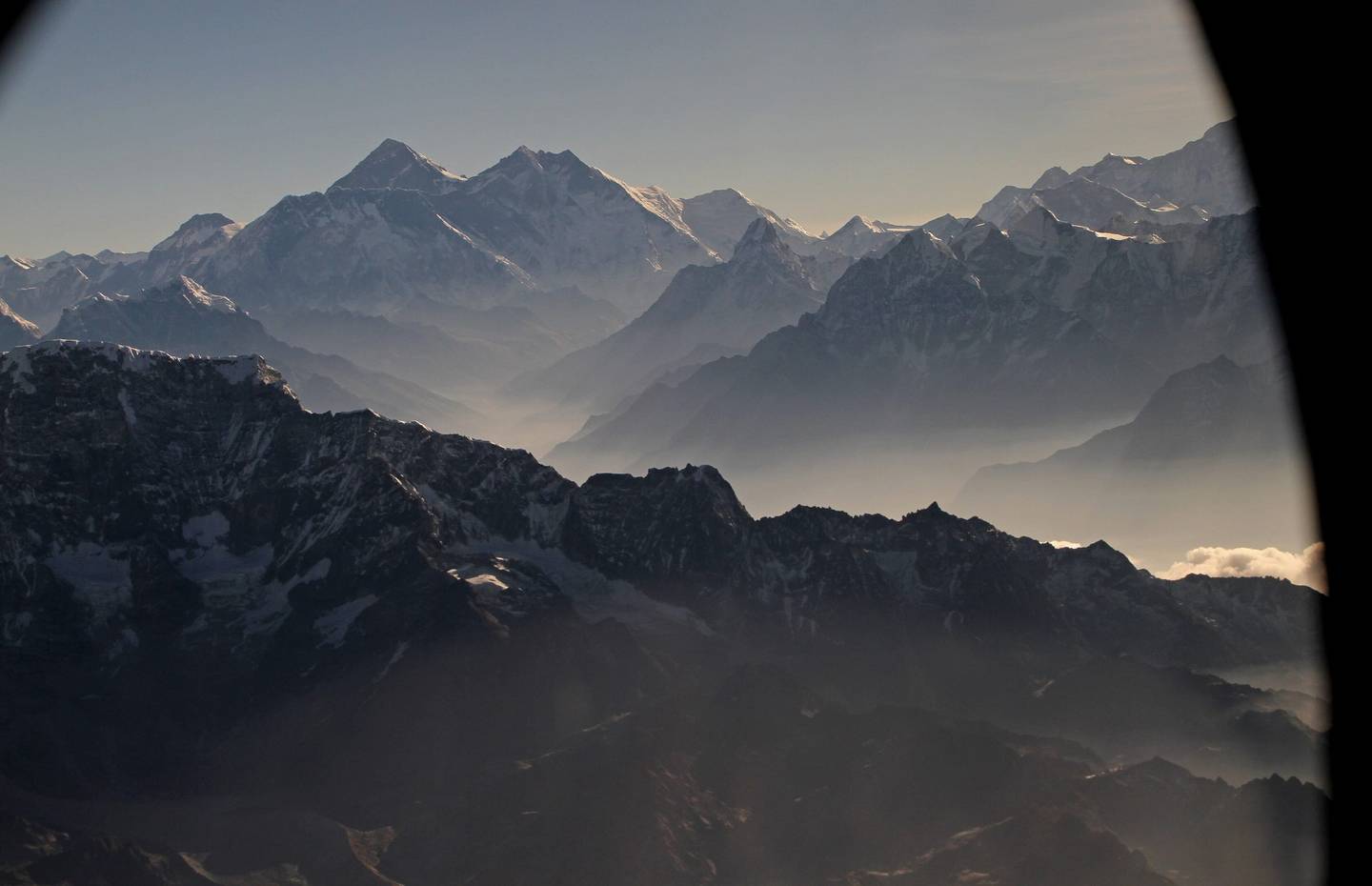
The best time of year for an Everest Base Camp helicopter tour
October and November give the most reliable clear mornings of the year. What each season looks like from the cockpit, and when the flight will not happen.
Every post, newest first.
Route guides, practical notes, safety and how the aircraft work. Each opens on gohelinepal.com, where the full article lives.
Showing all 28 posts.
 © Green Society Adventure · CC BY-SA 4.0
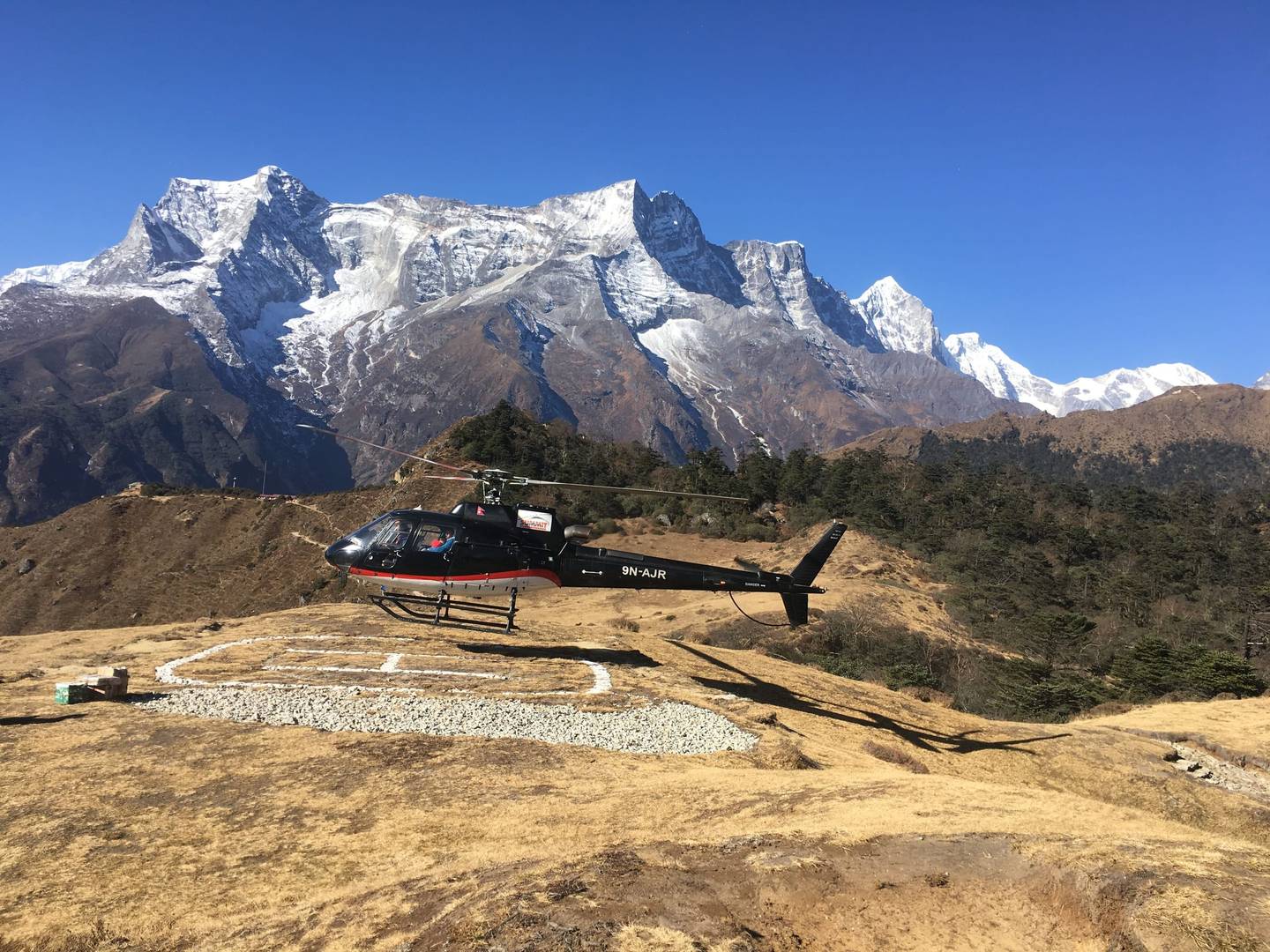
Search and Rescue in Nepal: Who Looks for Missing Trekkers
The Nepal Police, Nepal Army and Armed Police Force run searches in Nepal. Who to call when a trekker is missing, and what a search works from.
Read on gohelinepal.com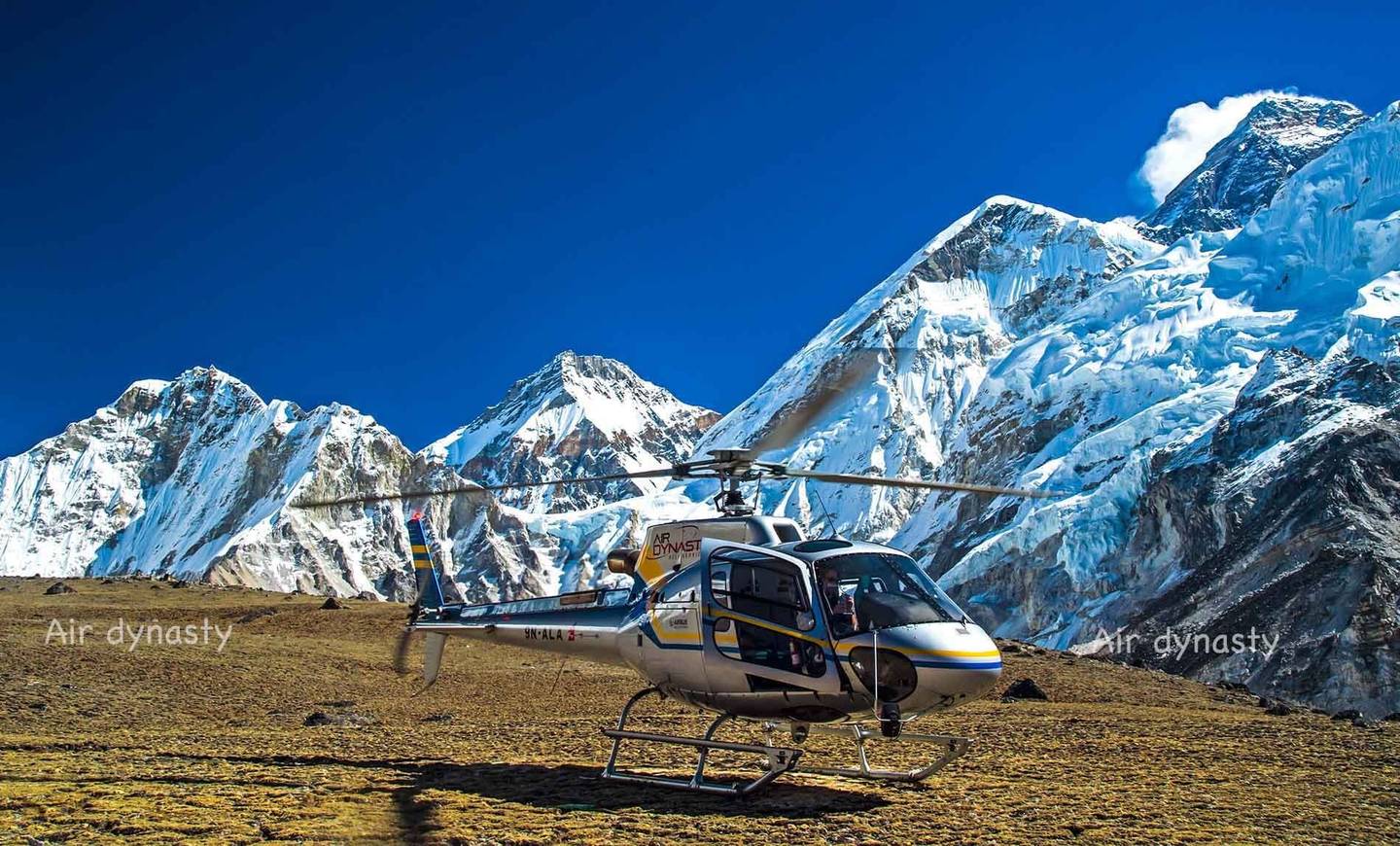 © Kabiraaz · CC BY-SA 4.0
Can a Helicopter Land on Mount Everest?
A helicopter reached Everest's summit once, in 2005, stripped and flown solo. What a passenger flight in Nepal can actually reach, and where it lands.
Read on gohelinepal.com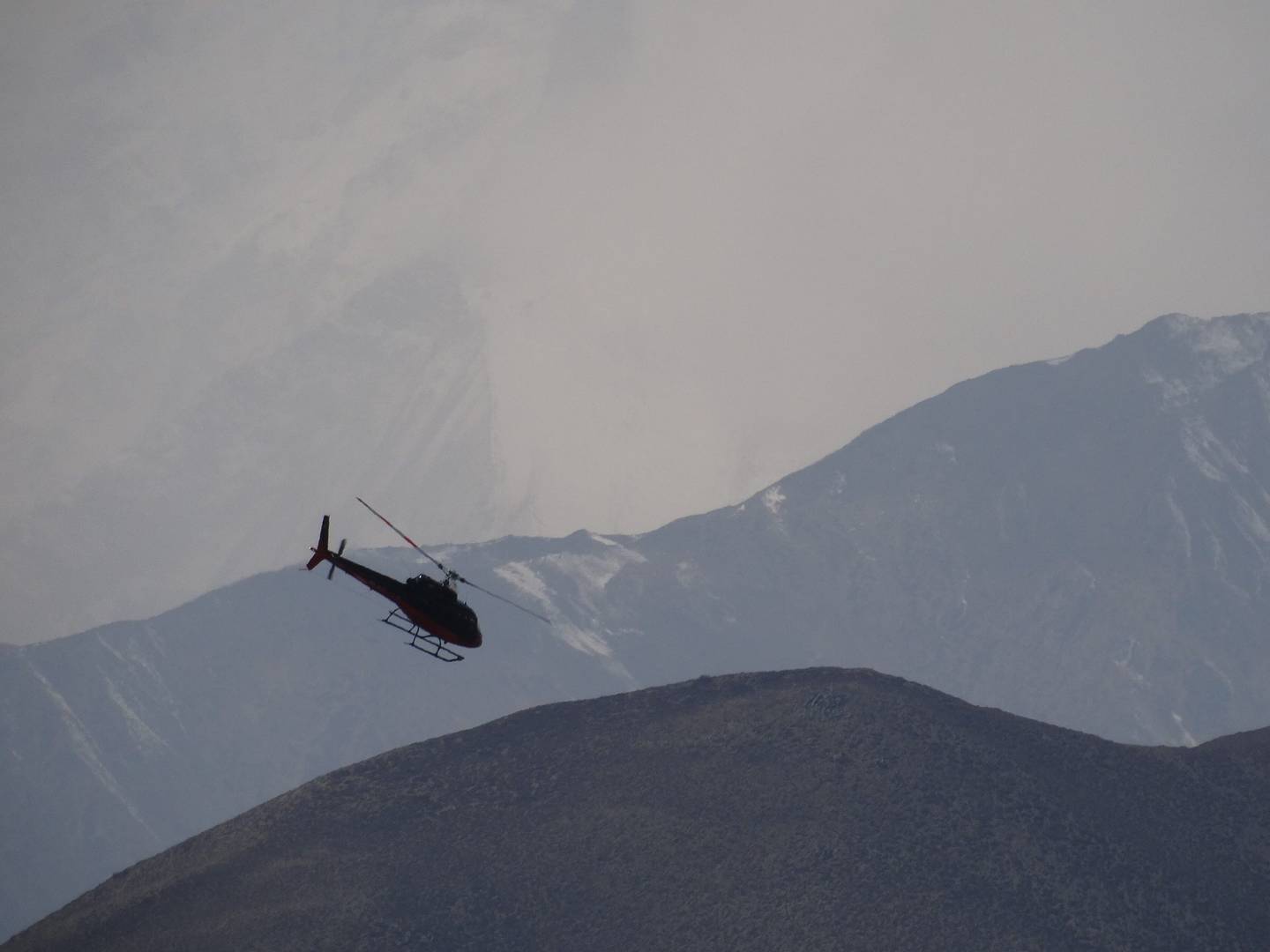 © Anuja Sharma · CC BY-SA 4.0
Helicopter Transfers and Point-to-Point Routes
A transfer is the whole aircraft flown as a journey rather than a circuit. Where they go in Nepal, and why the empty return leg sets the timing.
Read on gohelinepal.com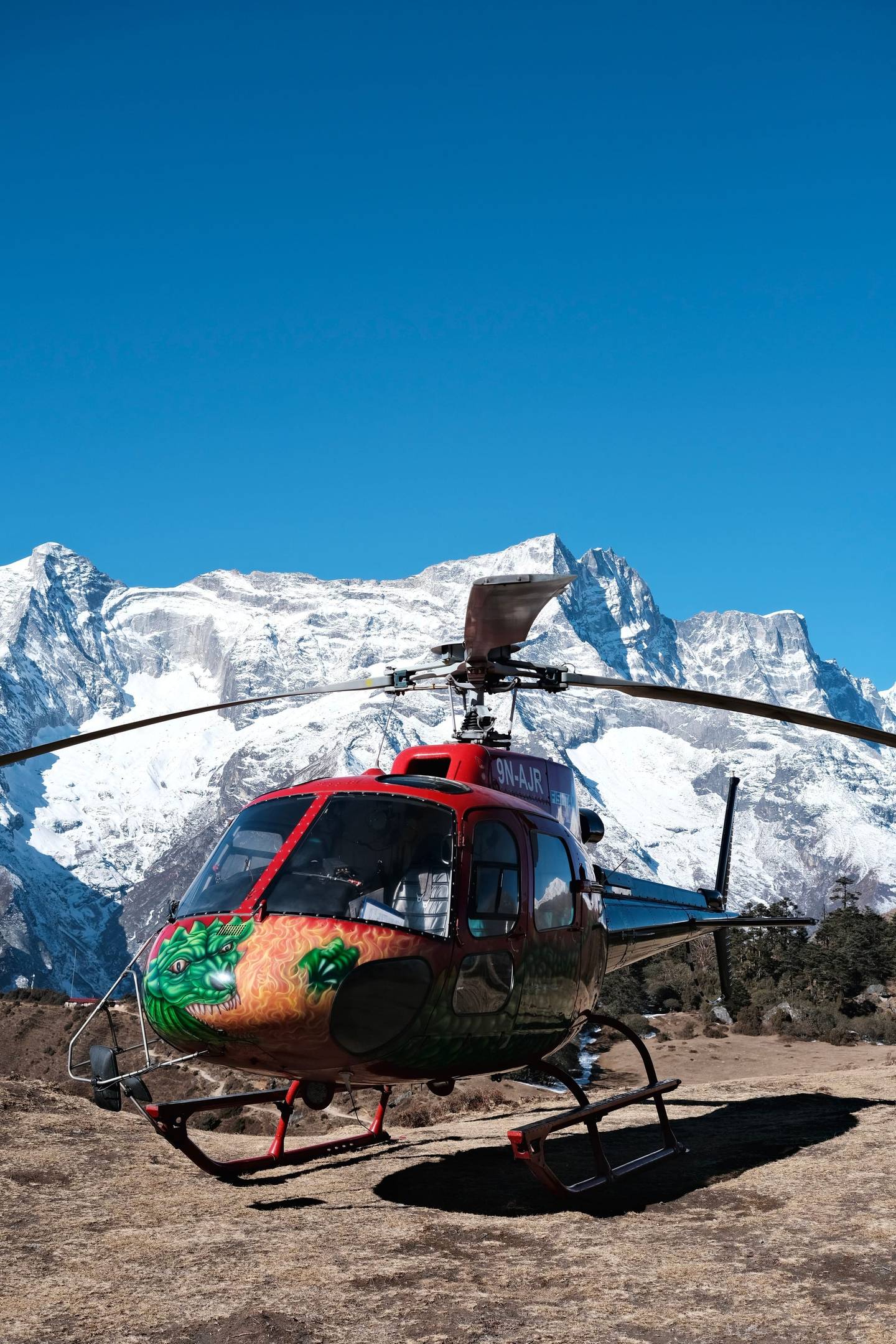 Photo: Justin Eng · Pexels
Helicopter Companies in Nepal: the Four Kinds
Four kinds of company stand between you and a helicopter in Nepal, and only one holds the certificate. How to tell which one you are buying from.
Read on gohelinepal.com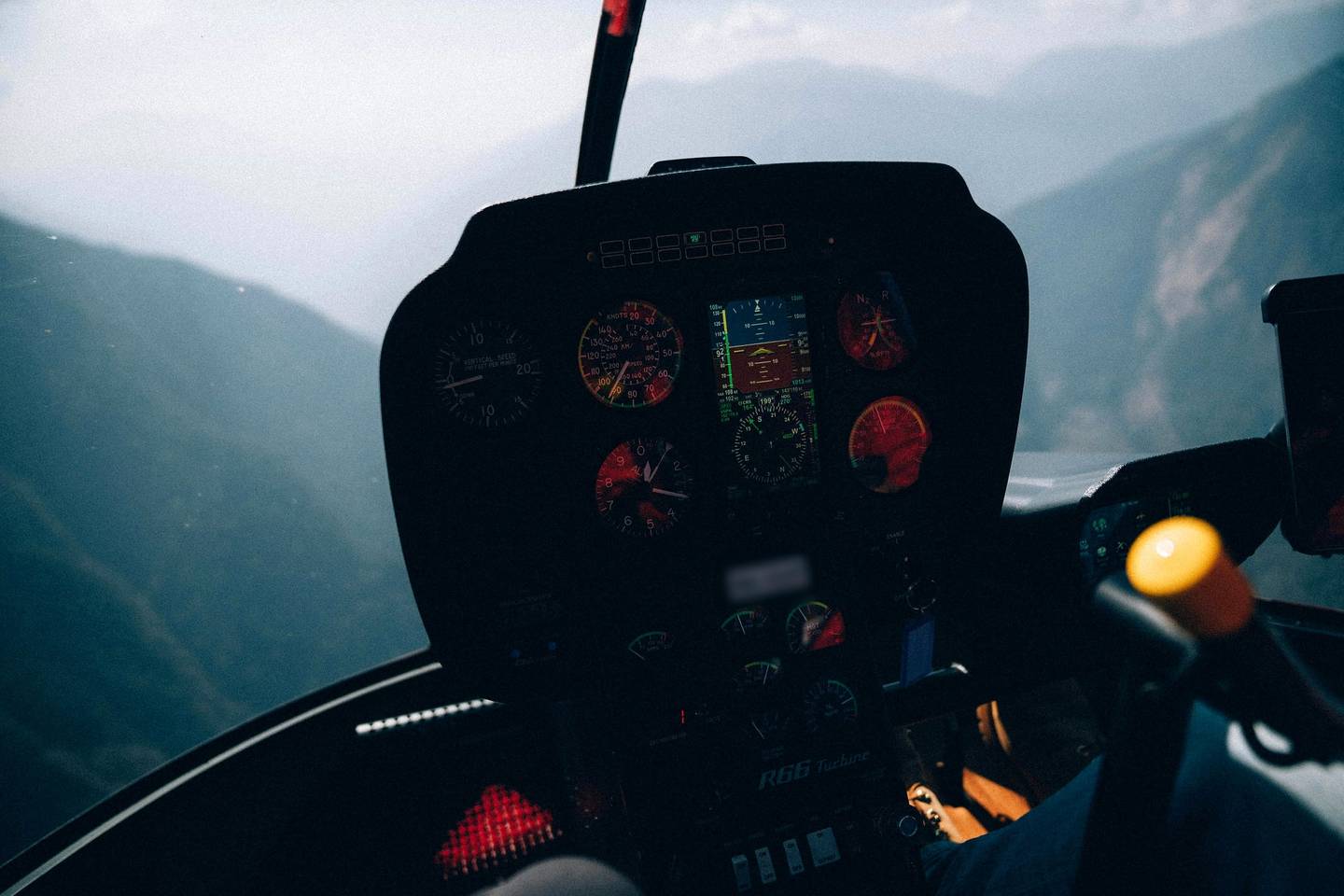 Photo: JC Gellidon · Unsplash
Helicopter Flight Time Calculator for Nepal Routes
Distance over cruise speed is the first step and not the answer. How to work out a helicopter flight time in Nepal, and the two corrections it needs.
Read on gohelinepal.com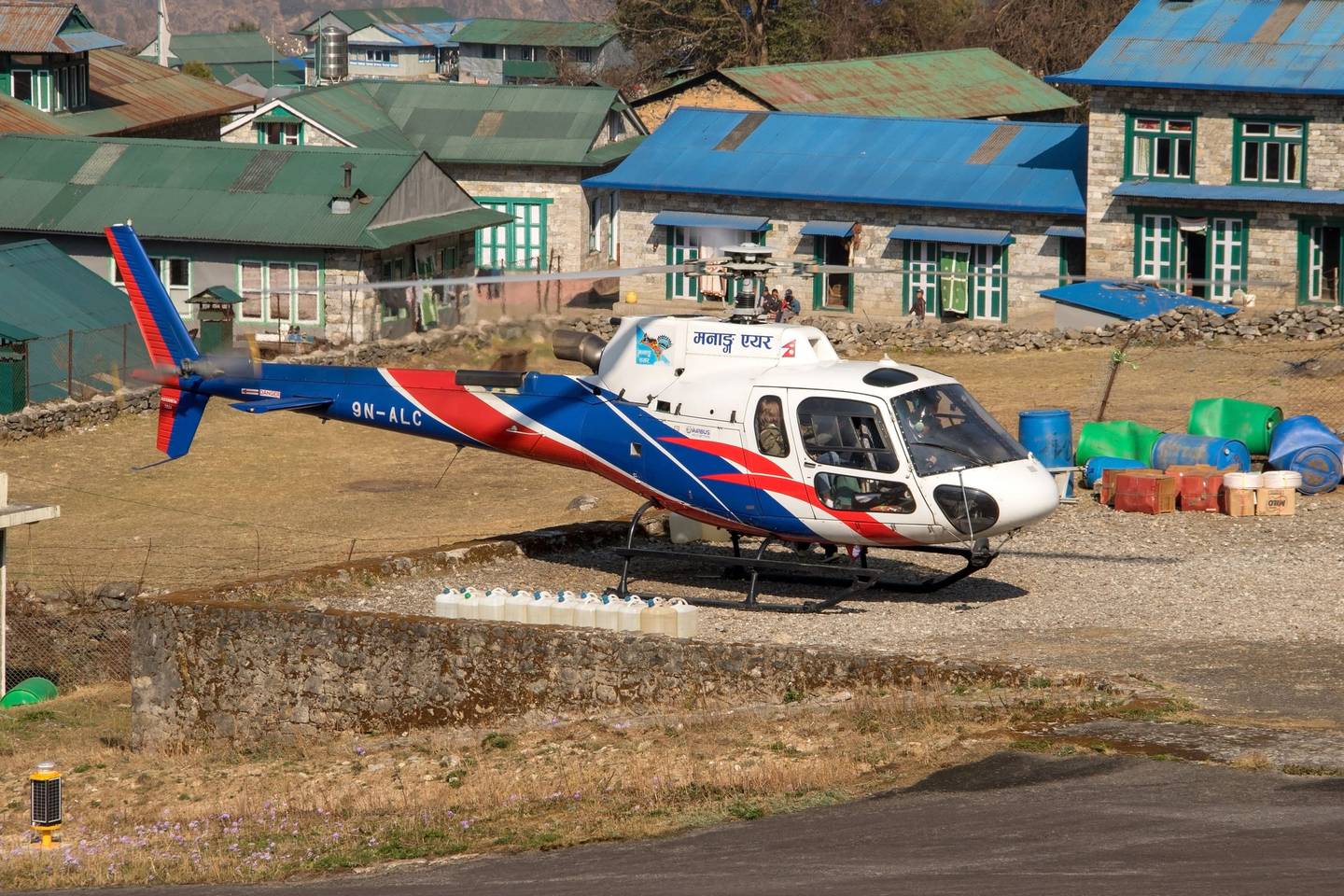 © hsvgerrit · CC BY 4.0
Helicopter Charter and Transfers in Nepal
A charter is the whole aircraft, billed by the hour of block time. What a Nepali quote is built from, and who pays when the weather holds it.
Read on gohelinepal.com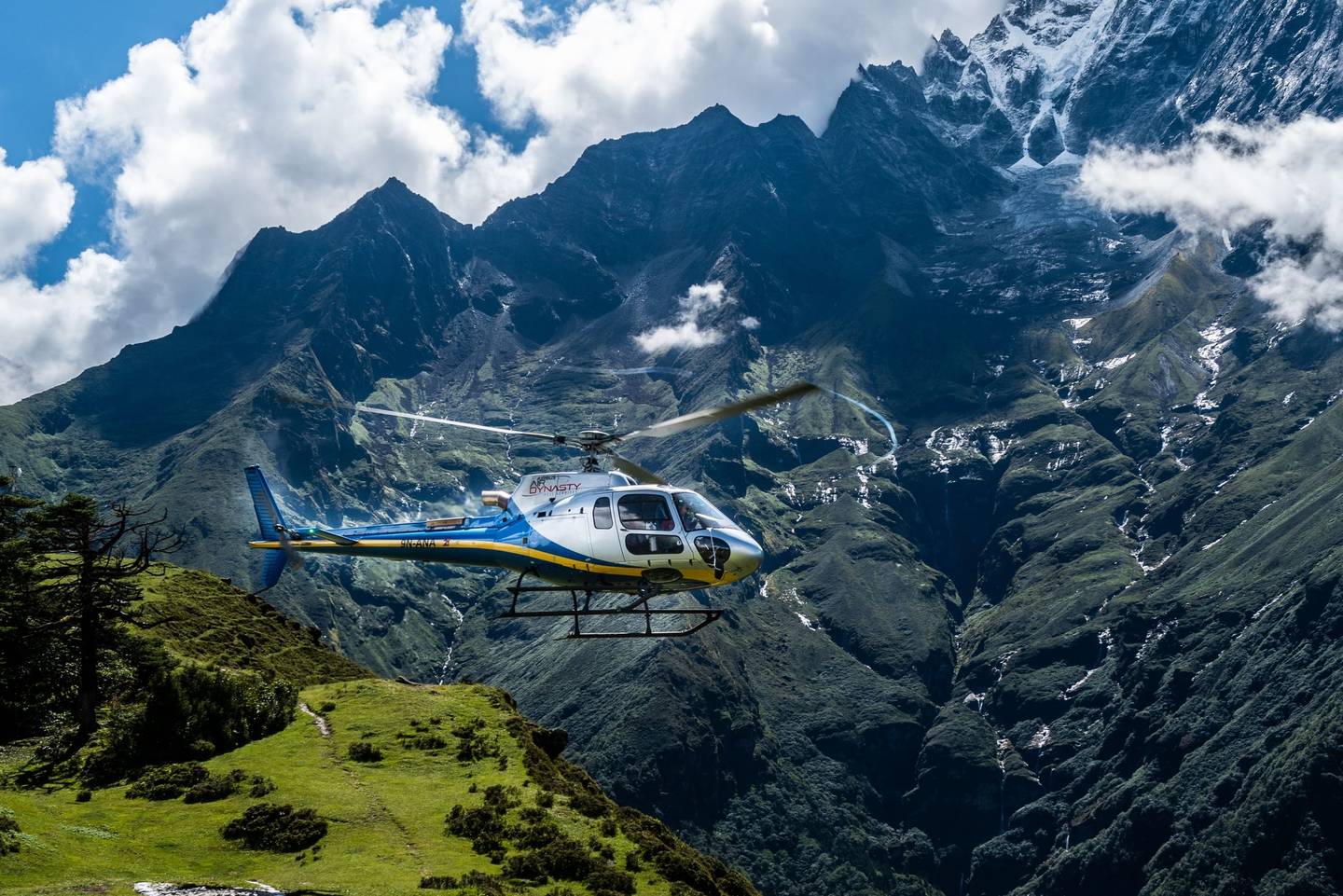 © Mondo79 · CC BY 2.0
The AS350 B3 over Everest, and what it does the rest of the year
Airbus gives the H125, today's AS350 B3, a 3,840 m hover ceiling at full weight. Nepal's fleet flew 50,000 hours on it anyway. What each figure means.
Read on gohelinepal.com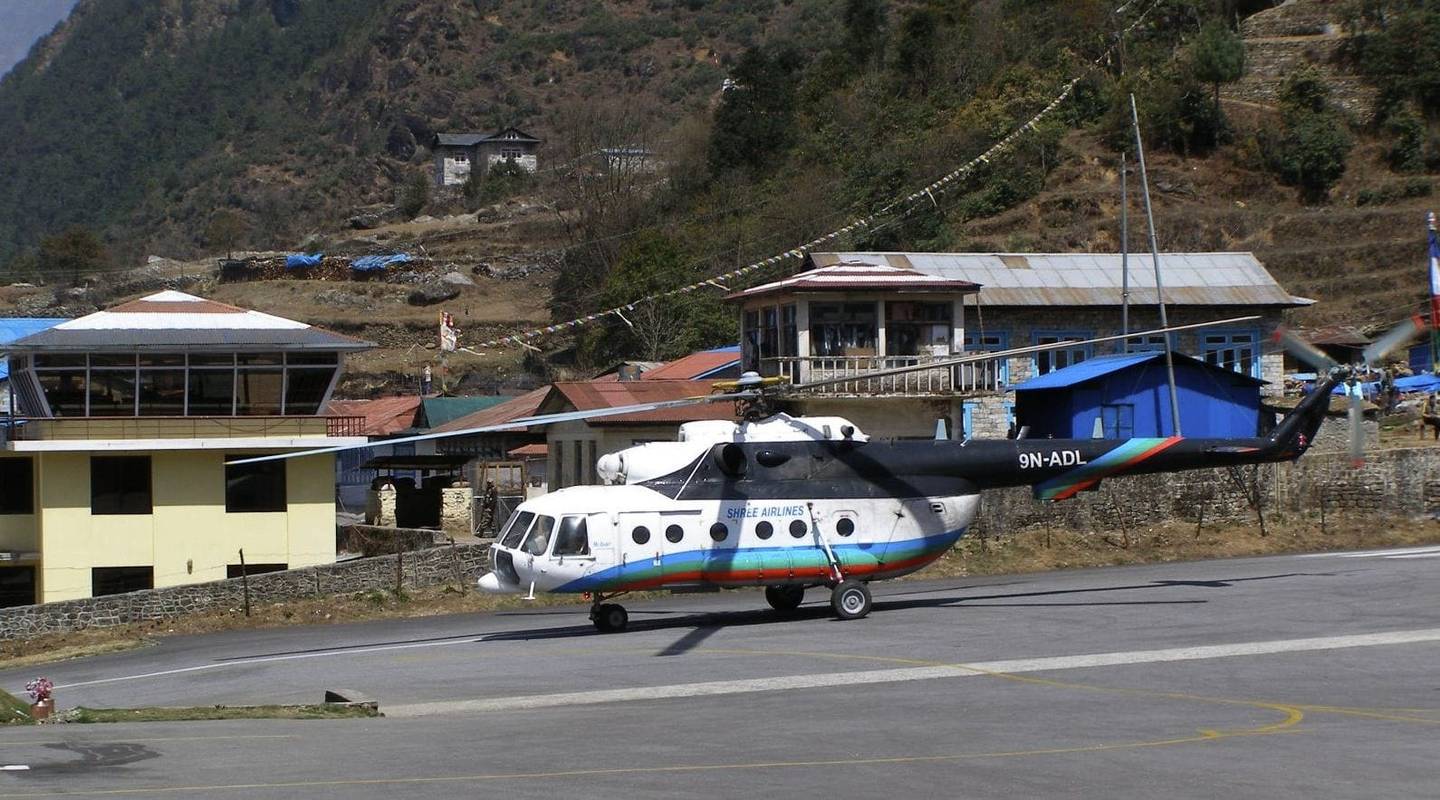 © Bsk77 · CC BY-SA 3.0
Aircraft registrations you will see on a Nepal helipad
Nepal's civil helicopters carry a 9N mark and the Army flies NA. What each prefix means, where to read it on an airframe, and what it does not prove.
Read on gohelinepal.com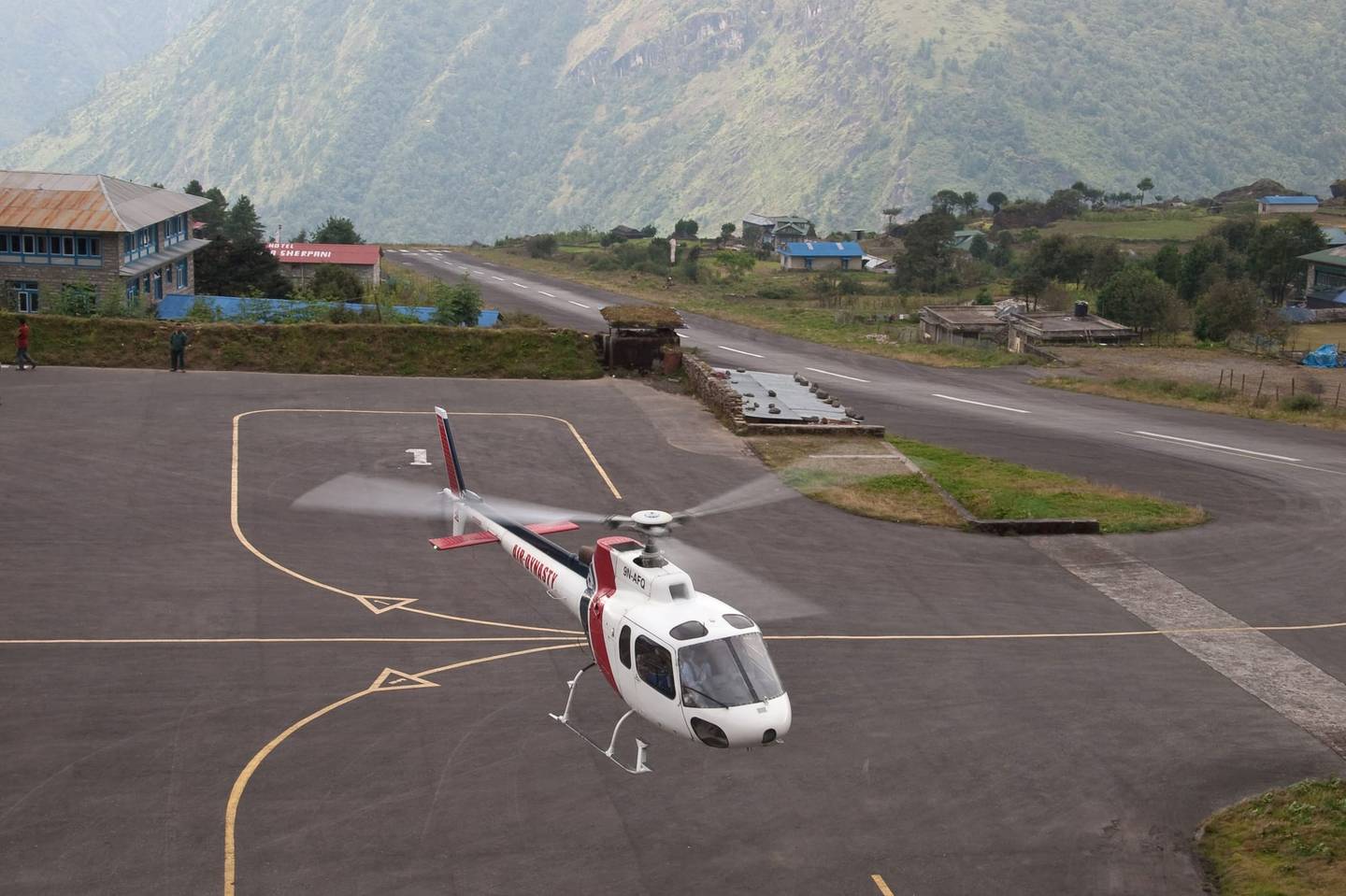 © Vyacheslav Argenberg · CC BY 4.0
The helicopters used in Nepal, type by type
Six helicopter types do effectively all of Nepal's civil flying. What separates them is the hover figure, not the service ceiling on the brochure.
Read on gohelinepal.com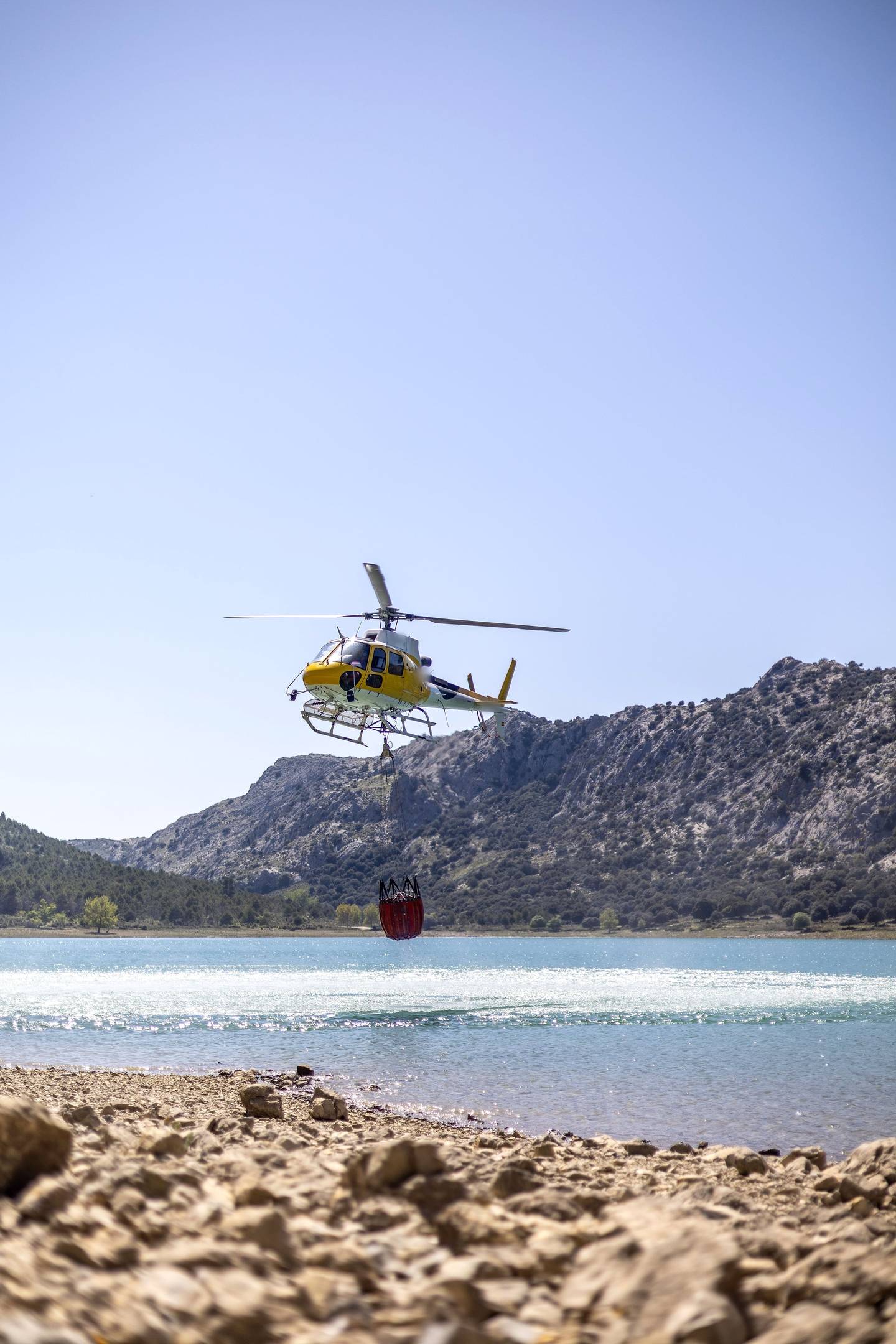 Photo: David Waschbüsch · Pexels
Helicopter Payload, Weight and Seating Capacity
Airbus gives the H125 a useful load of 973 kg, and 425 kg of that is fuel. Above 3,840 m the placard weight stops binding and power takes over.
Read on gohelinepal.com© Vyacheslav Argenberg · CC BY 4.0Helicopter Rotors: Blade Count, RPM and Why It Matters at Altitude
A helicopter's main rotor turns in the low hundreds of rpm — the H125 at 385 to 394. Altitude does not move that band. It moves what the band is worth.
Read on gohelinepal.com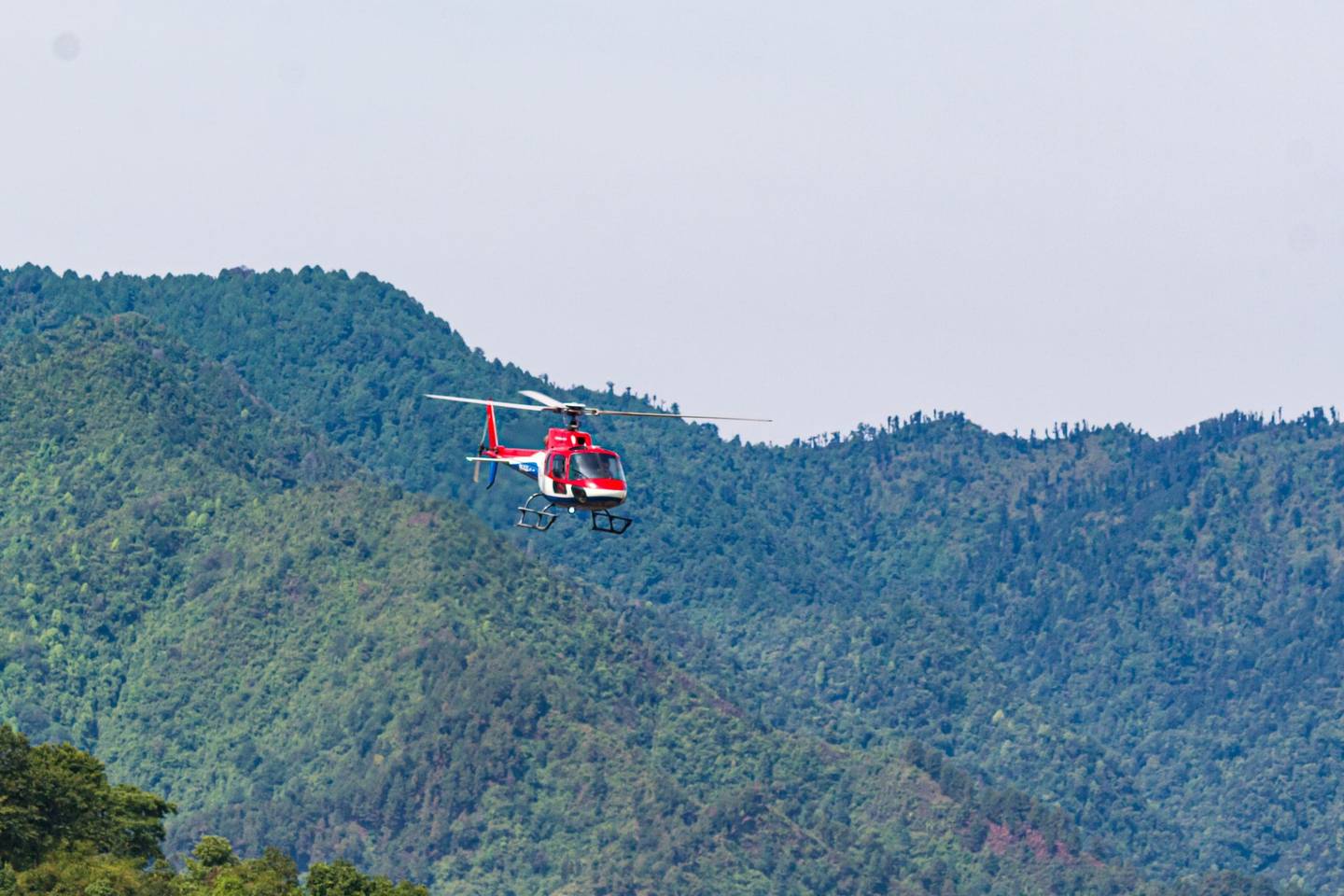 © Roman Raghu Shrestha · CC BY-SA 4.0
How Fast Do Helicopters Fly?
Most helicopters cruise between 110 and 140 knots. Airbus gives the H125, the type flying Nepal's Khumbu, a fast cruise of 136 knots, 252 km/h.
Read on gohelinepal.com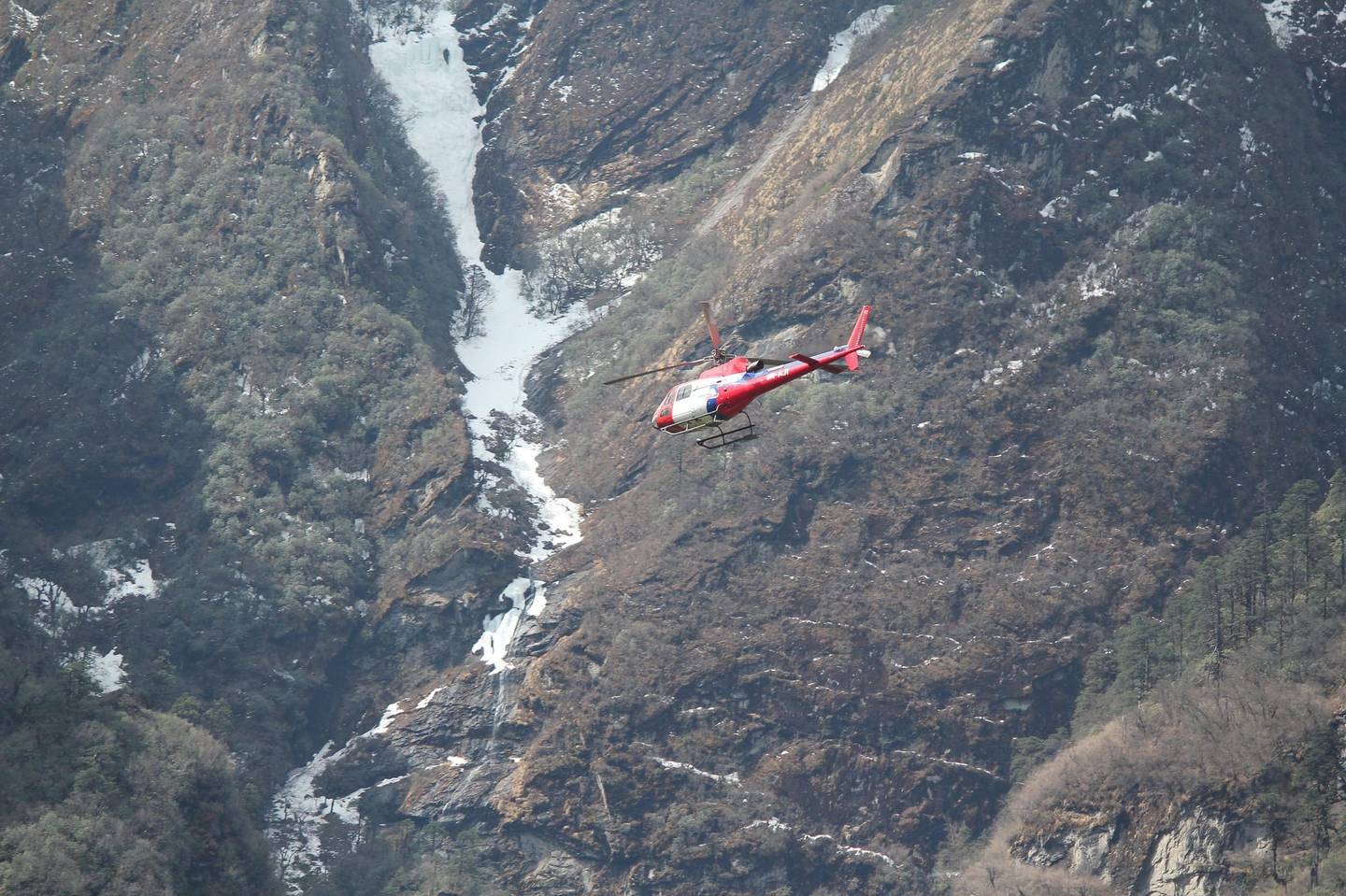 © Sumita Roy Dutta · CC BY-SA 4.0
How helicopters perform in Nepal
Airbus gives the H125 a fast cruise speed of 136 knots. The never-exceed speed falls as the aircraft climbs, and the flown figure is lower again.
Read on gohelinepal.com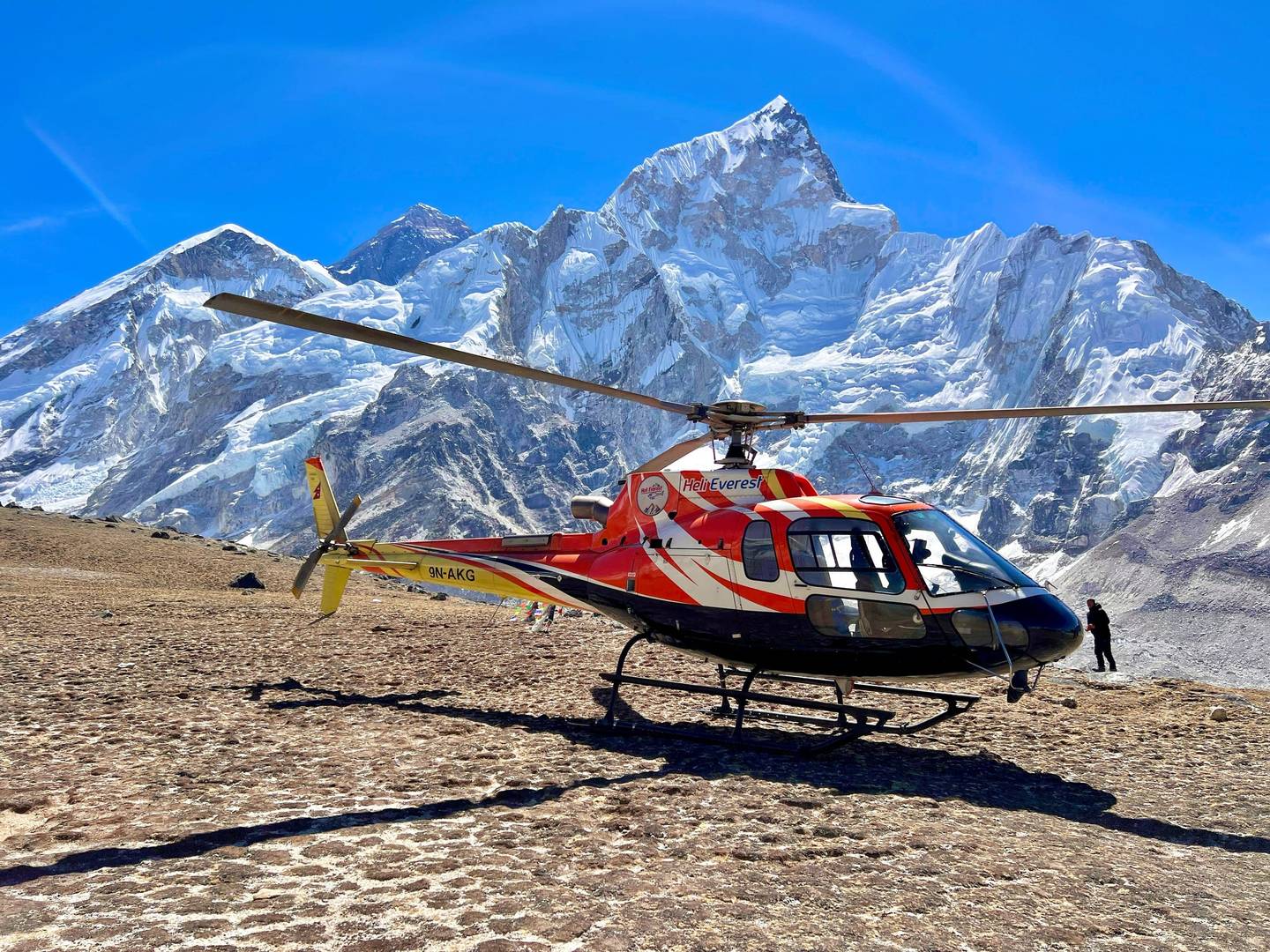 © Dailyhelifly · CC BY 4.0
Didier Delsalle's Everest helicopter record, in numbers
On 14 May 2005 an AS350 B3 settled on Everest's 8,848 m summit for 3 minutes 50 seconds. The FAI ratified a take-off record, not a landing one.
Read on gohelinepal.com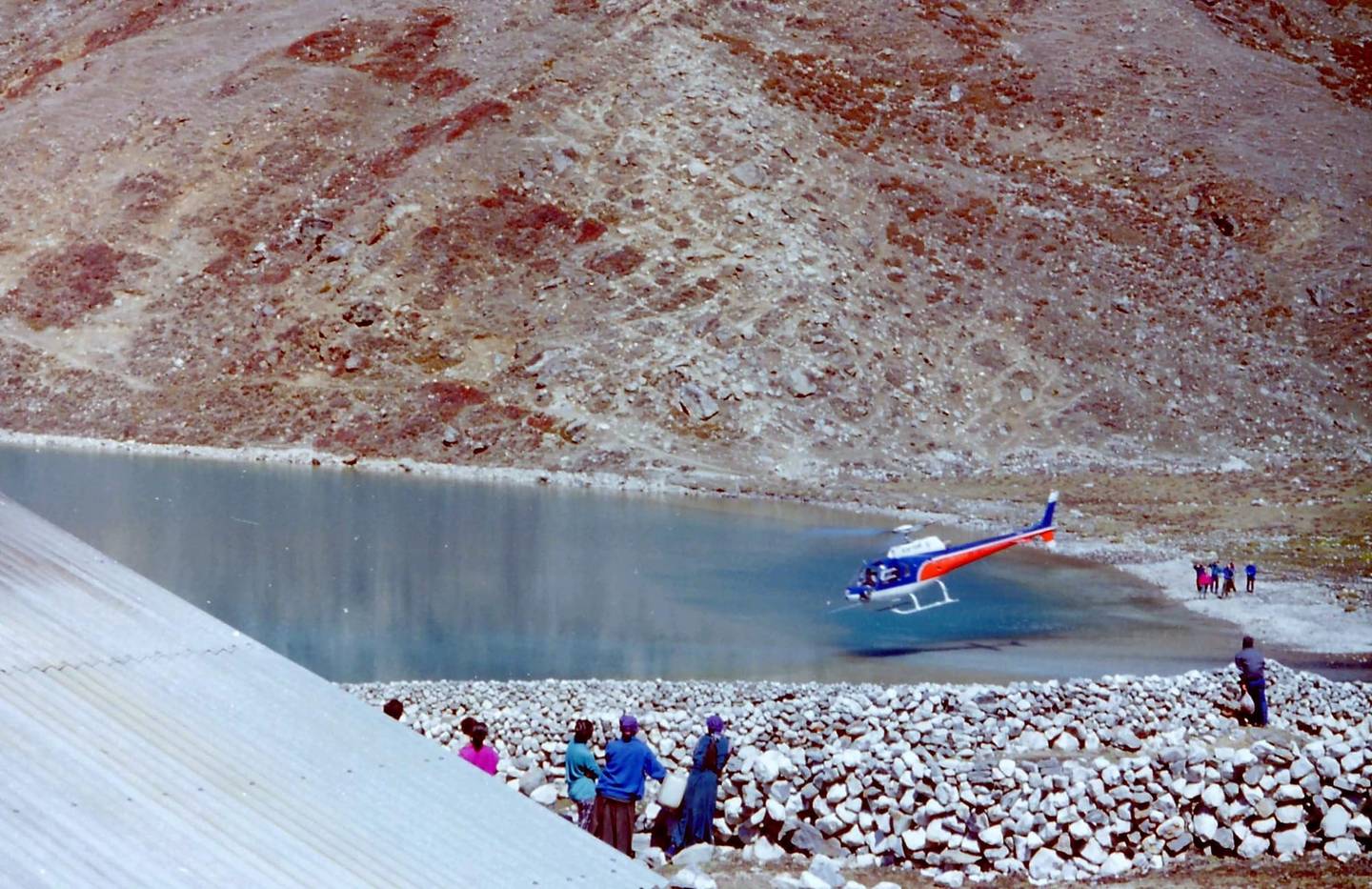 © Calistemon · CC BY-SA 3.0
How high can a helicopter fly, and where does it stop?
The record is 12,442 m (40,820 ft); the H125 is certified to 7,010 m (23,000 ft). Why a spec-sheet ceiling is not where a helicopter can hover or land.
Read on gohelinepal.com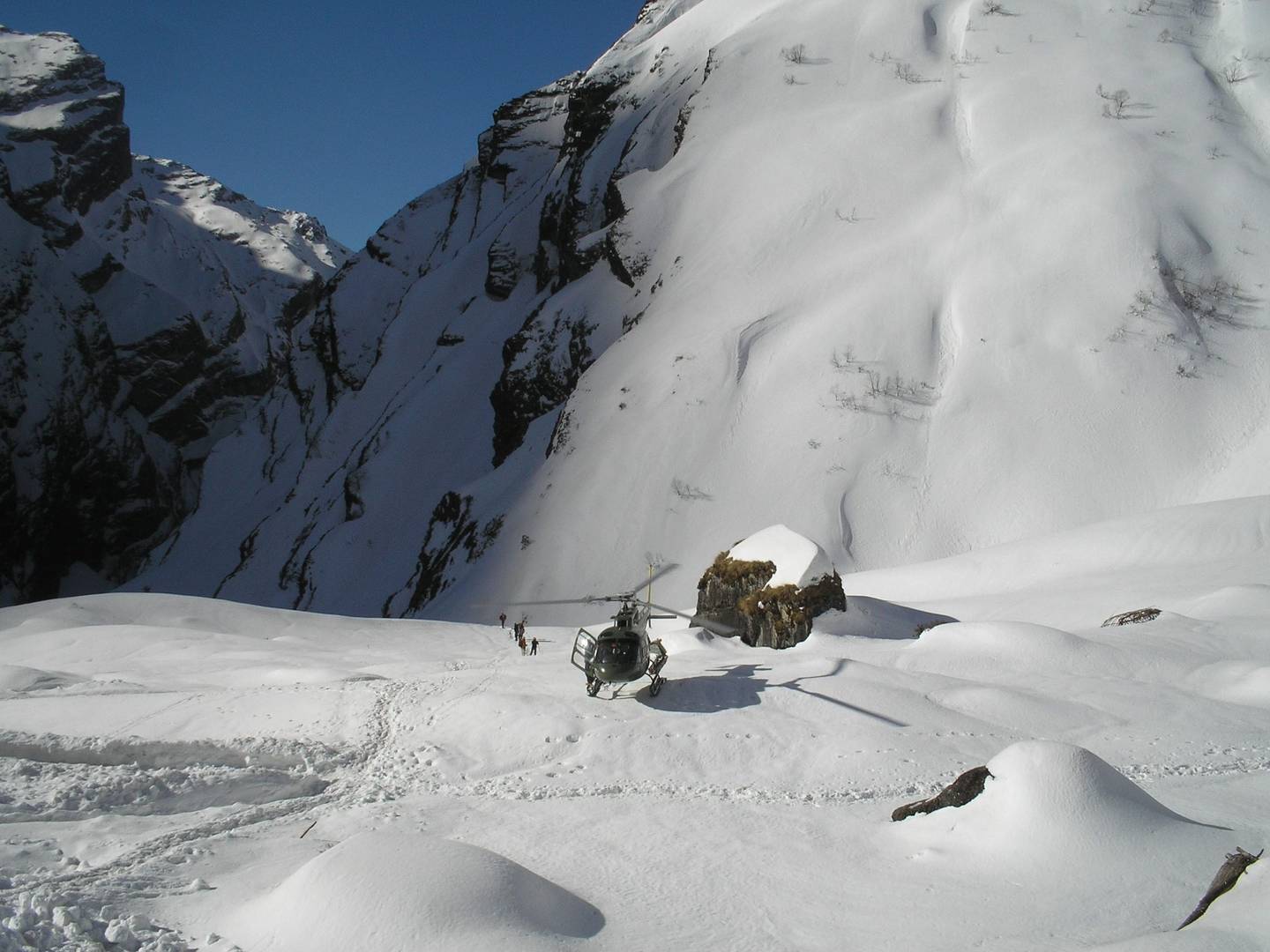 © Sgroey · CC BY-SA 4.0
What a helicopter can actually do in Nepal's thin air
Airbus certifies the H125 to 7,010 m and to a hover out of ground effect at 3,840 m. Everything about flying in Nepal sits between those two numbers.
Read on gohelinepal.com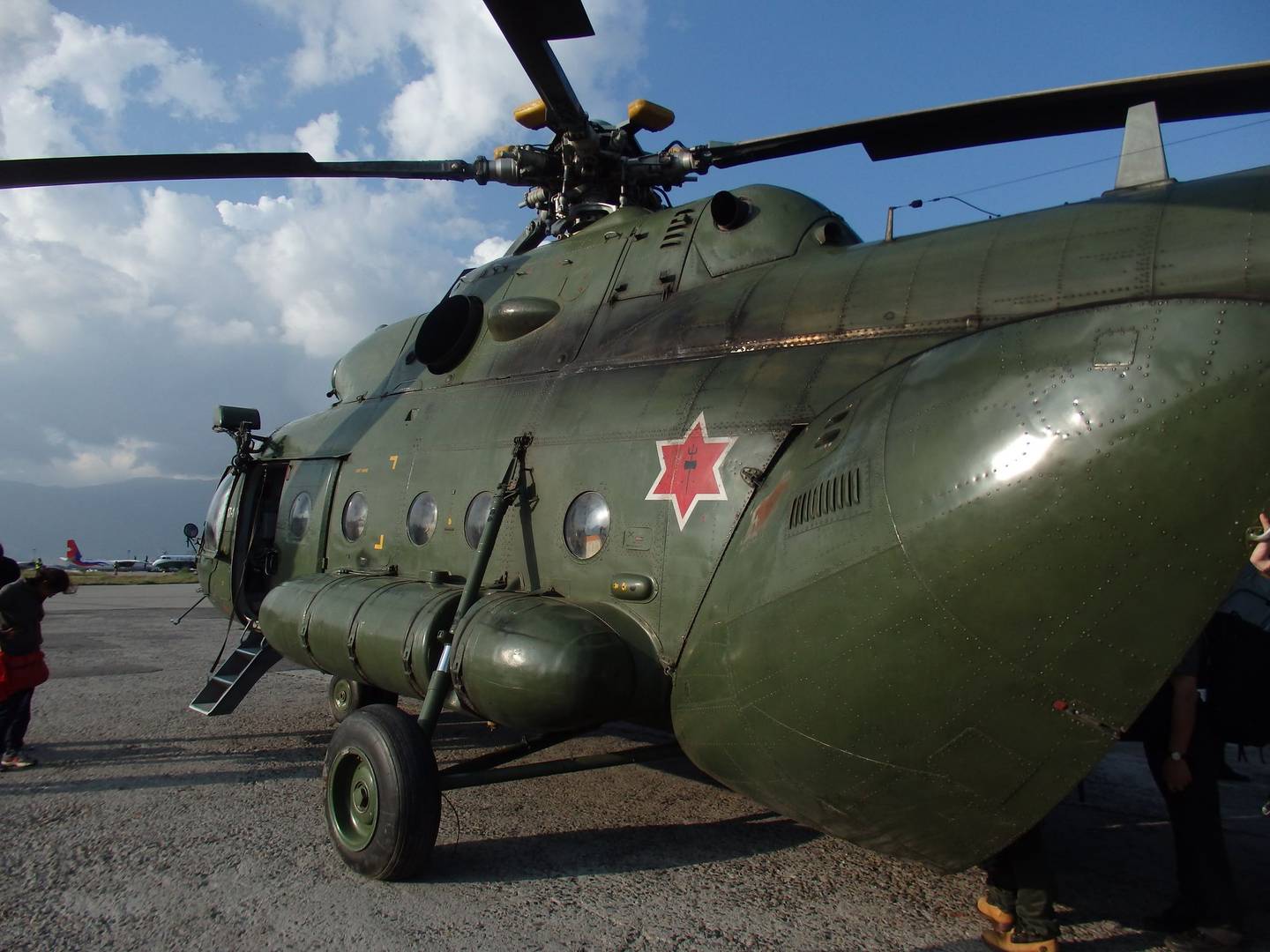 © mohigan · CC BY-SA 3.0
Nepal Flood 2026, what Rasuwa lost and how the helicopter rescue was run
A flood with no rain behind it took the only road into Rasuwa on 26 August. What it destroyed, and how the district was reached by air in the first week.
Read on gohelinepal.com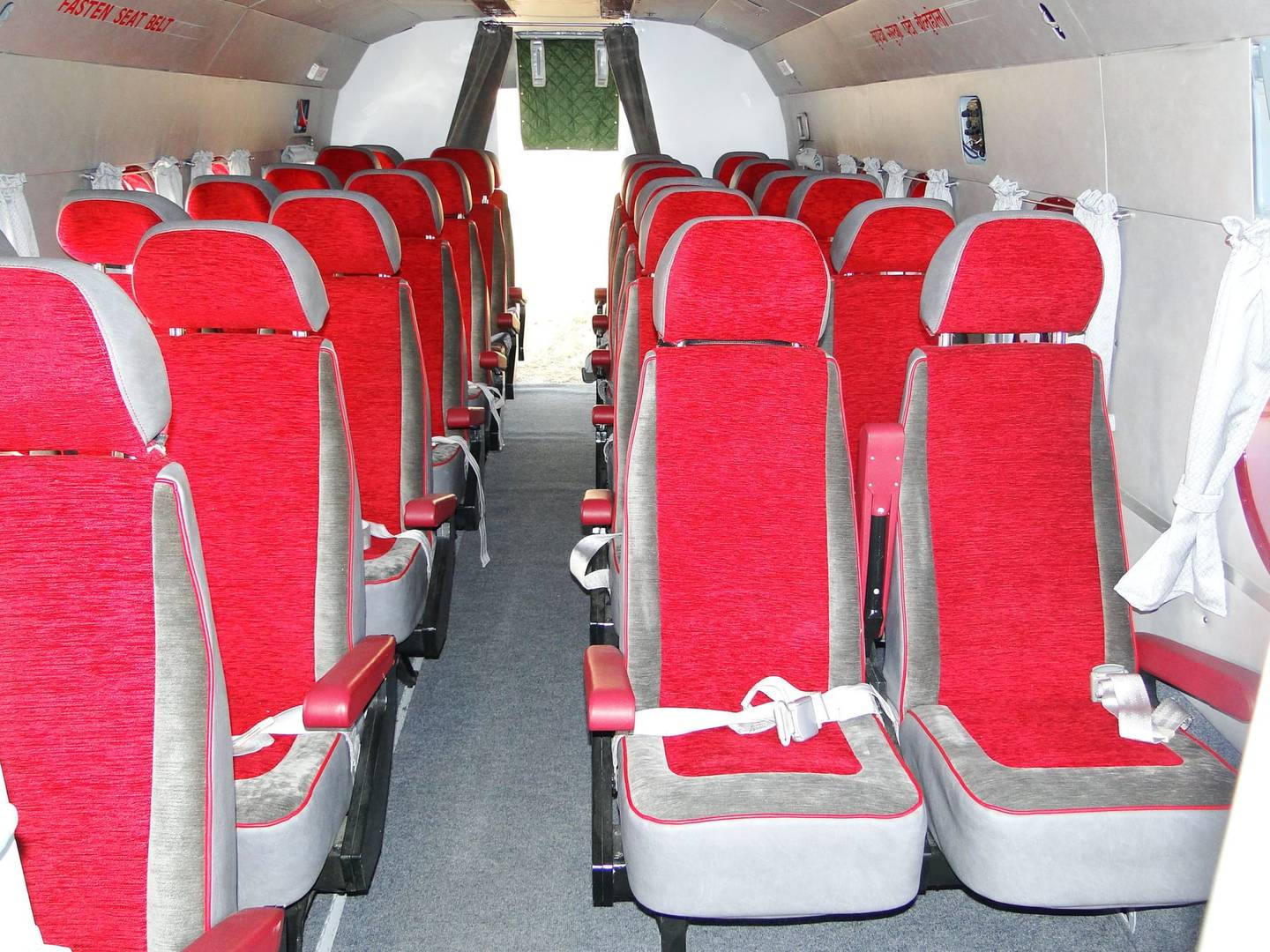 © Sm789 at English Wikipedia · CC BY-SA 3.0
Shared seat or whole helicopter: what the extra buys
An Everest charter costs seven to eight times one seat and carries five, so it never works out cheaper. What the extra money buys, and when it is worth it.
Read on gohelinepal.com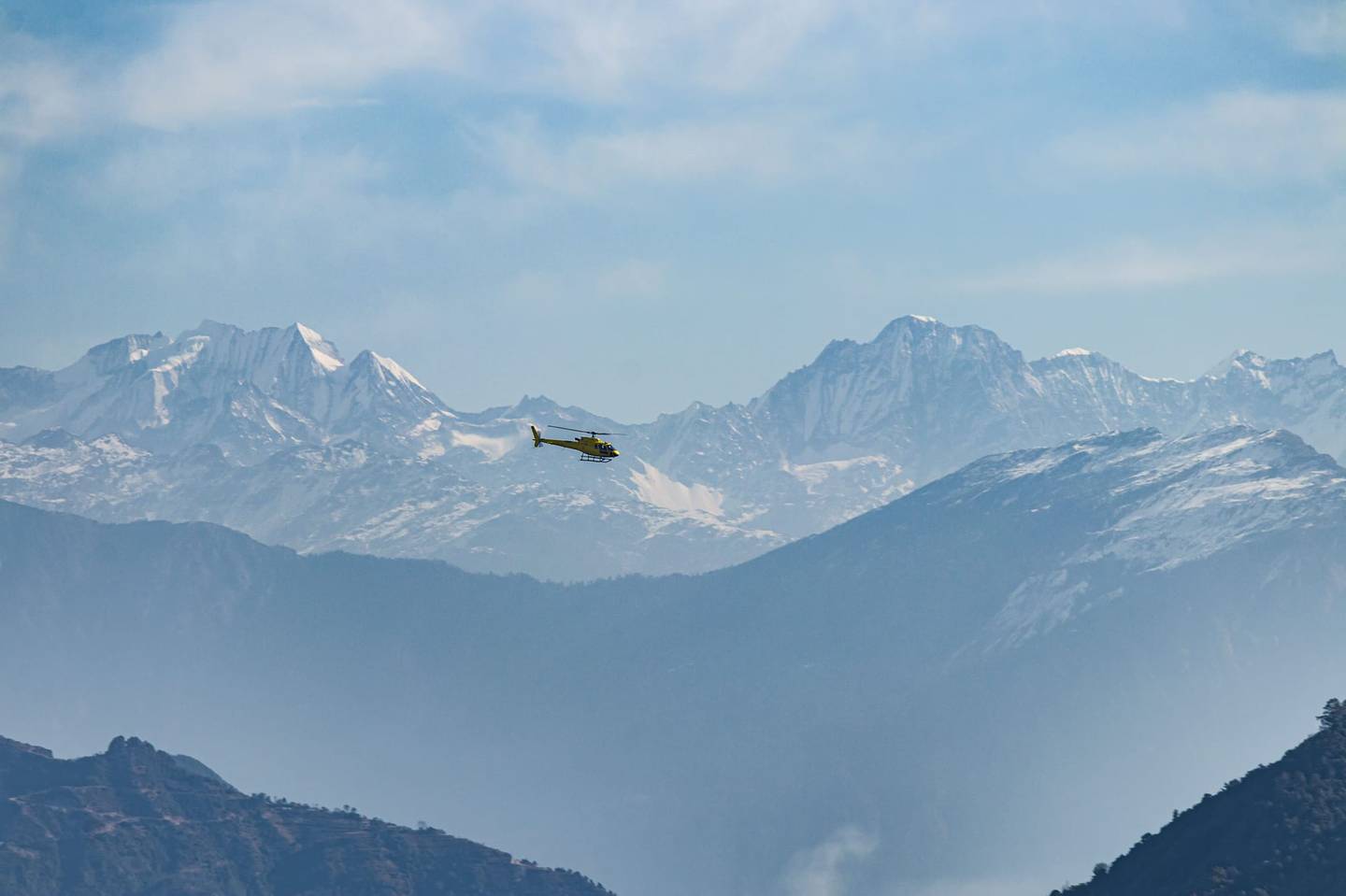 © Shadow Ayush · CC BY-SA 4.0
If the engine quits at 5,500 m
A helicopter without an engine is not a brick. What autorotation is, why thin air makes it harder, and what a pilot plans for on every high approach.
Read on gohelinepal.com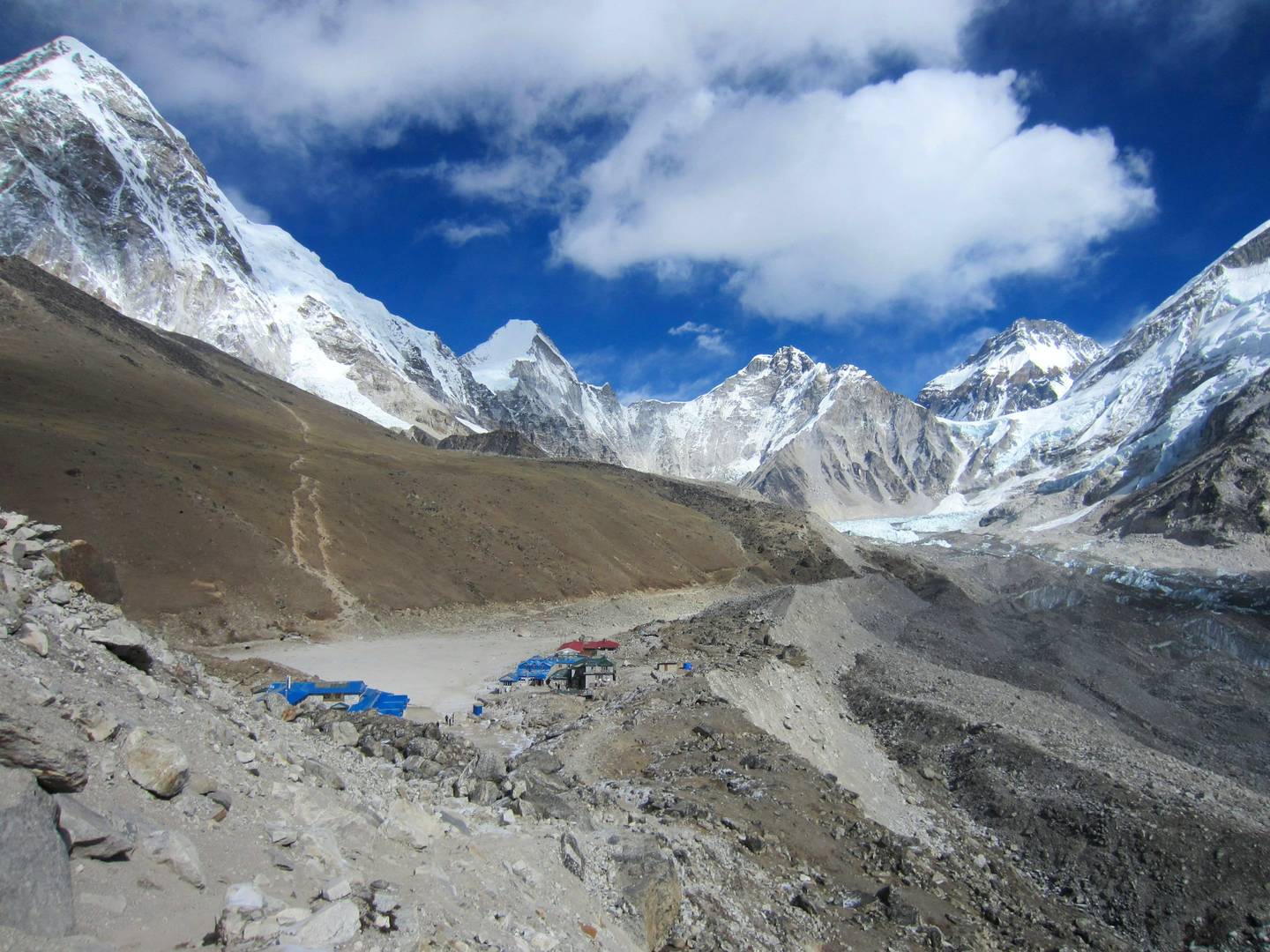 Photo: Ganesh Adhikari · Unsplash
Everest temperature month by month, from base camp to the summit
Everest's summit is estimated at about −36 °C (−33 °F) in winter and −19 °C (−2 °F) in July. Base camp and valley temperatures by season, in one table.
Read on gohelinepal.com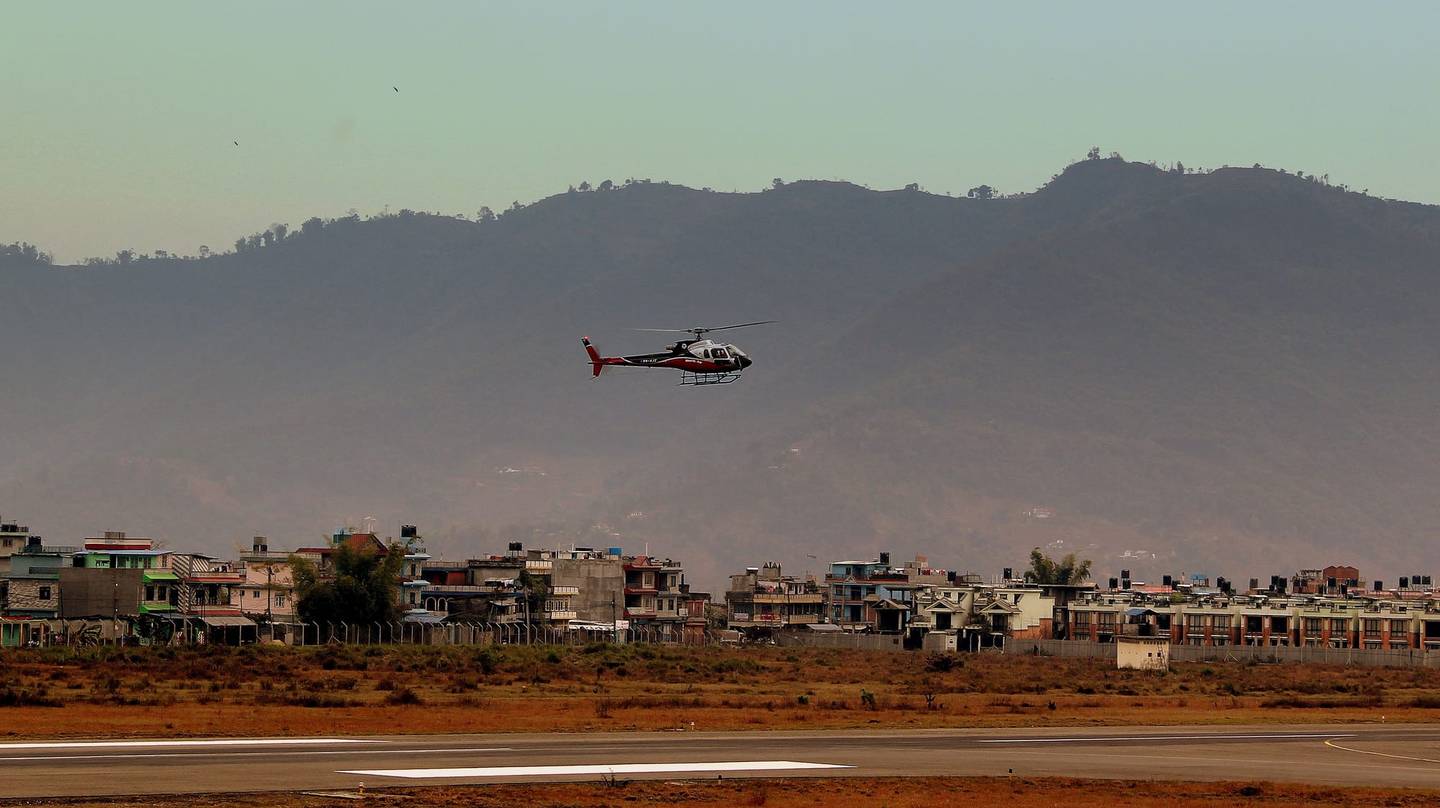 © calflier001 · CC BY-SA 2.0
Why they weigh you before a Himalayan helicopter flight
Nepal sets no single legal weight limit per passenger: you are weighed with your bag, and thin air sets the load. What that means, altitude by altitude.
Read on gohelinepal.com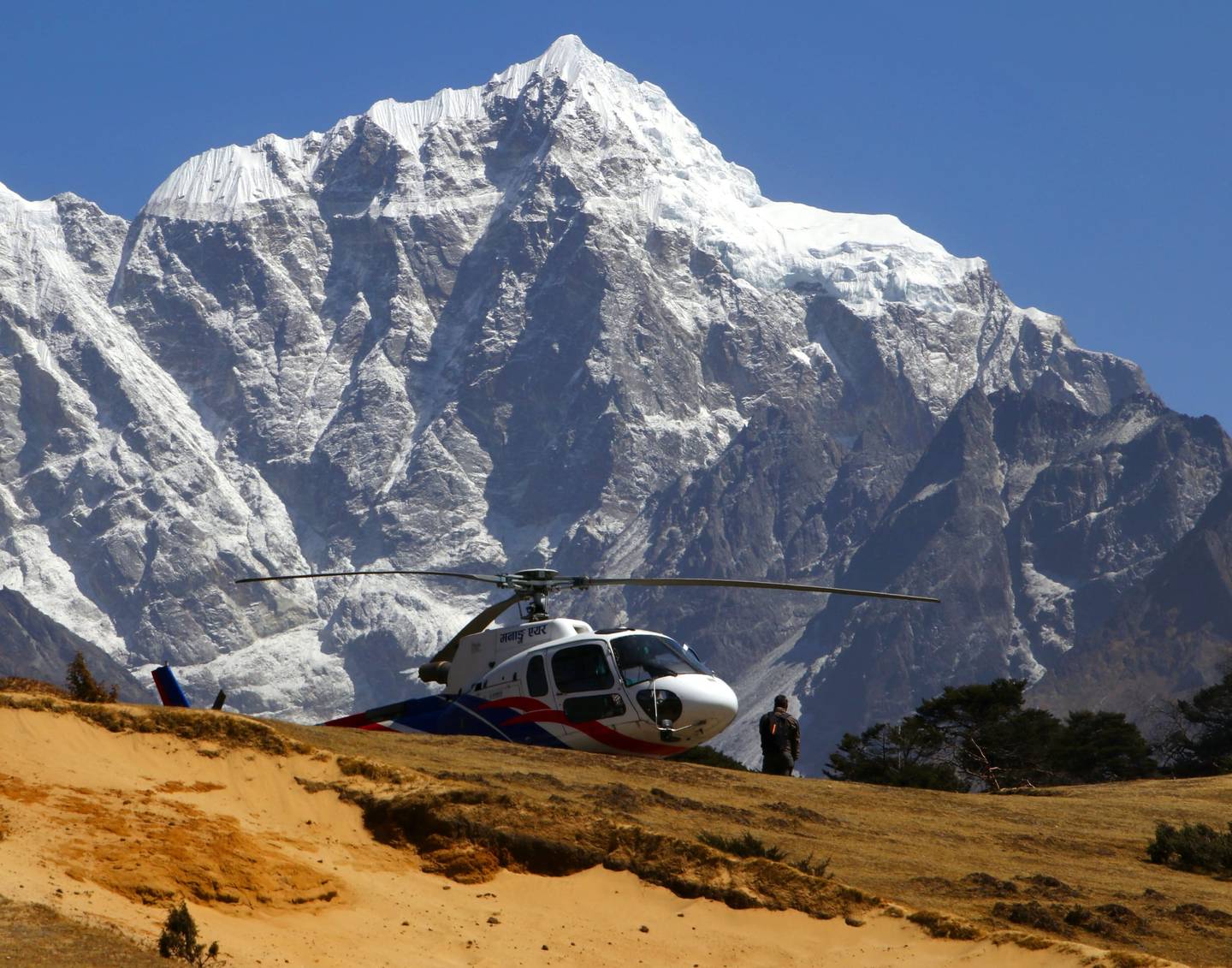 © Guillaume Baviere from Uppsala, Sweden · CC BY-SA 2.0
What to pack for a helicopter return from the trail
You are going from a teahouse at 4,000 m to Kathmandu in ninety minutes. Pack for both ends, for the twenty minutes between, and for the weight limit.
Read on gohelinepal.com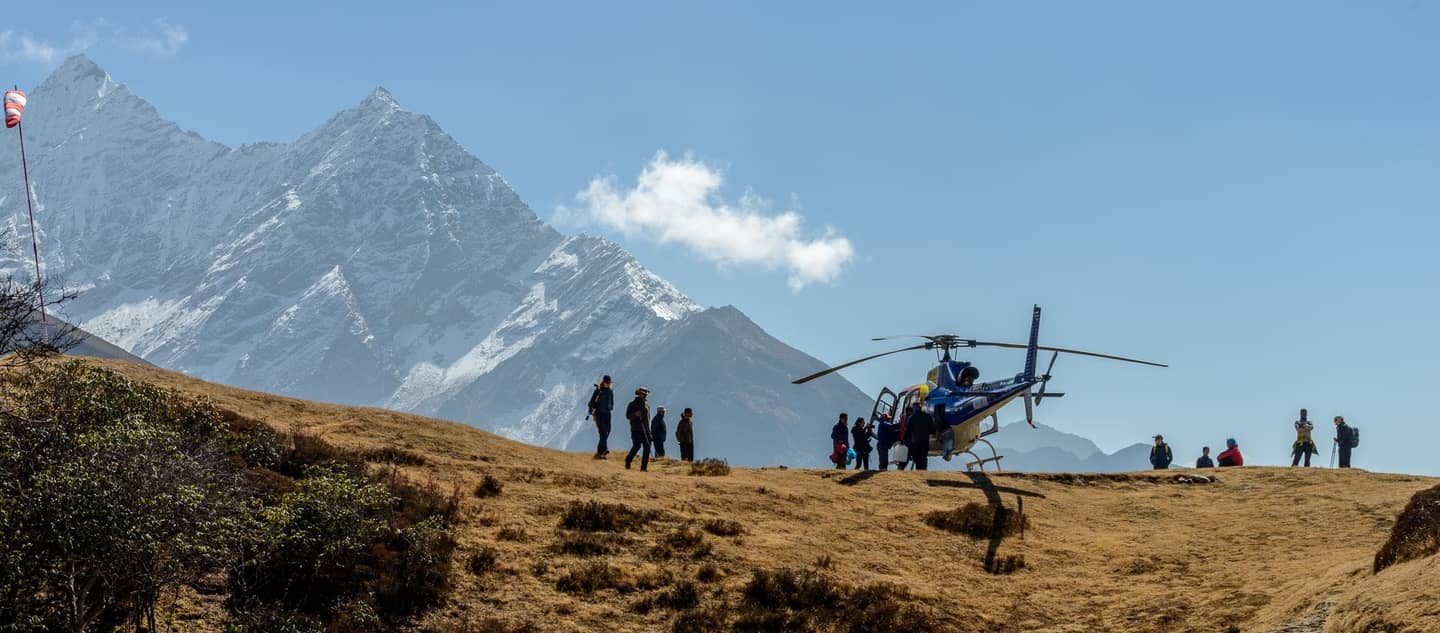 © valcker from Paris · CC BY 2.0
How helicopter rescue actually works in Nepal
Who dispatches the aircraft, who pays for it, what weather and altitude limit a rescue, and the insurance clause that catches trekkers out every season.
Read on gohelinepal.com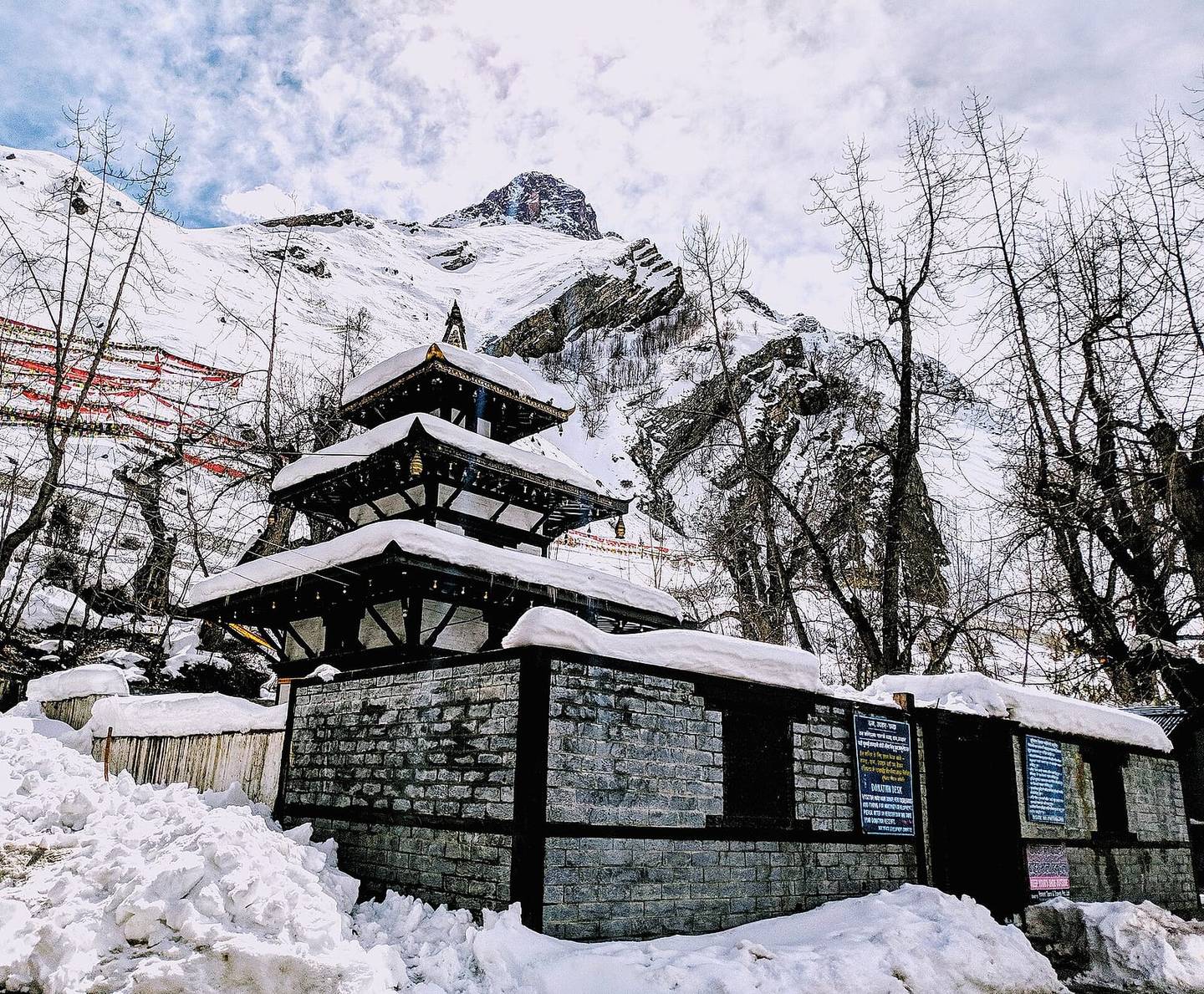 © Ironicfreak · CC BY-SA 4.0
Muktinath by helicopter: a pilgrim's practical guide
A long road journey becomes one morning. What darshan by helicopter actually involves, the altitude at Muktinath, and what older pilgrims should check.
Read on gohelinepal.com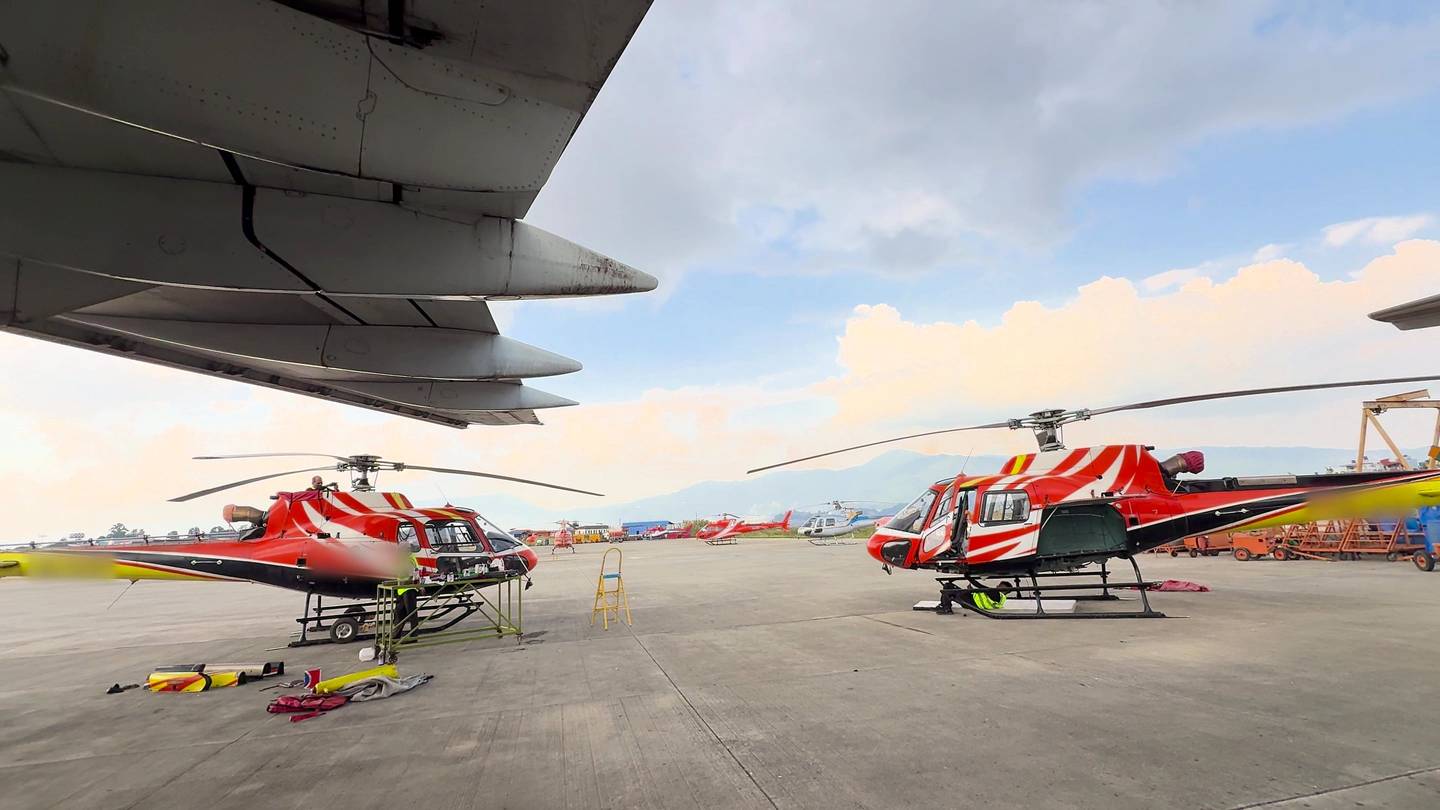 © Go Heli Nepal
The same flight, different prices: why comparing operators matters
Certified operators quote the same Everest morning and their prices can differ noticeably. Where the spread comes from, and what you can change.
Read on gohelinepal.com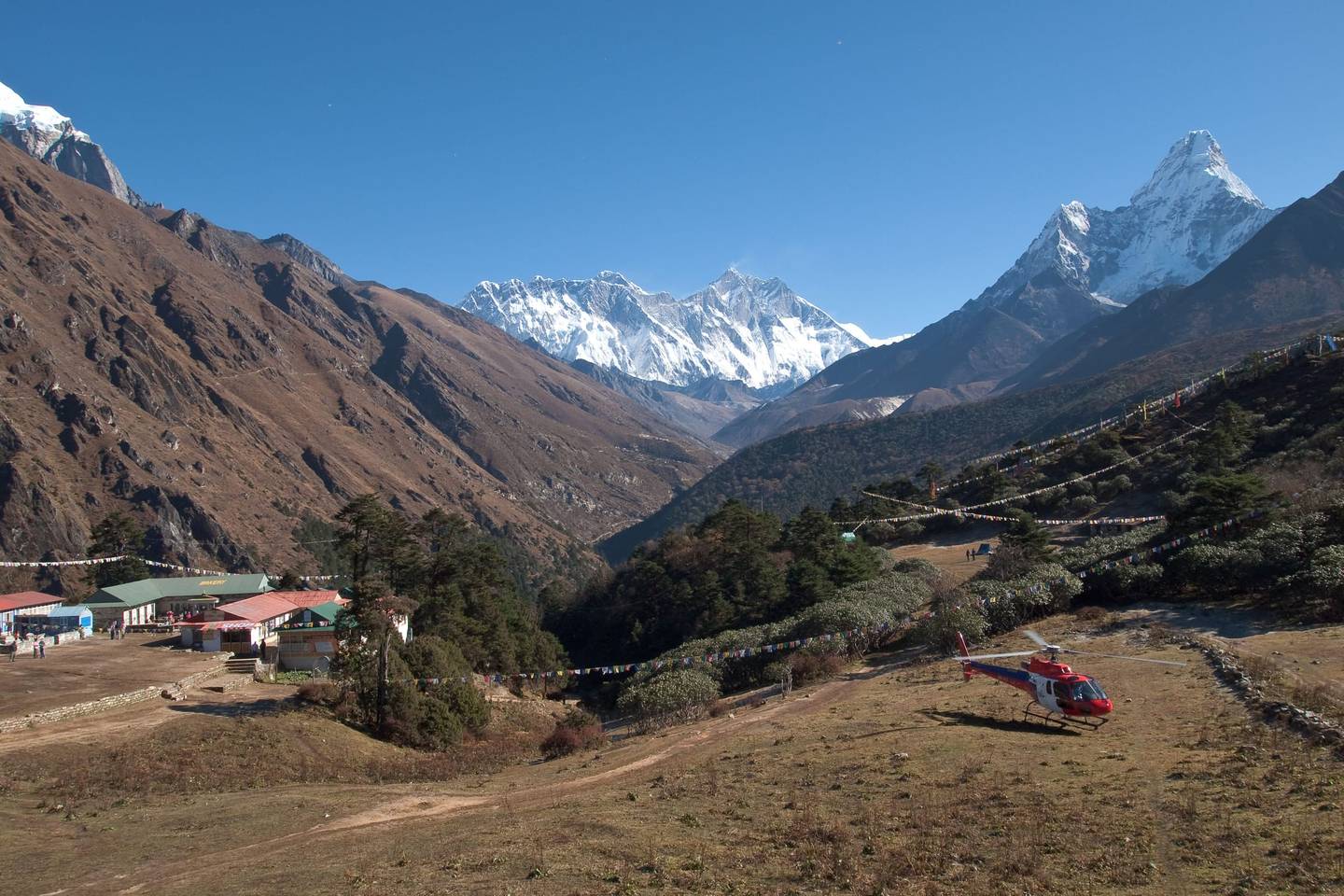 © Vyacheslav Argenberg · CC BY 4.0
The only helicopter landing on the summit of Everest
In May 2005 a test pilot put an AS350 B3 on the summit and held it there almost four minutes. Two decades on nobody has repeated it, and nobody sells it.
Read on gohelinepal.com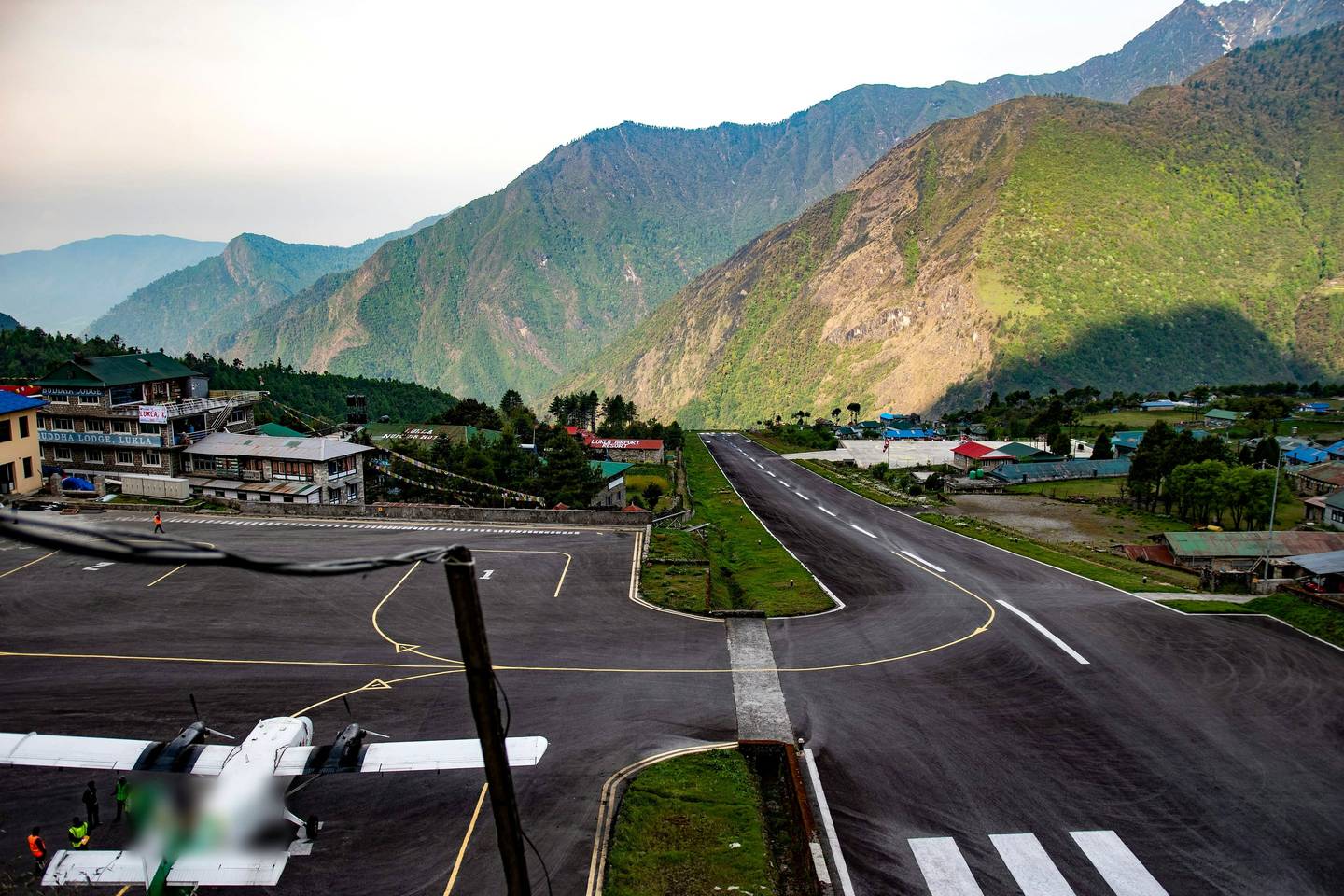 Photo: Rajan Dahal · Unsplash
Lukla Airport runway length: 527 m, uphill at 11.7%
Lukla's runway is 527 m (1,729 ft) long, climbs 11.7% uphill and sits at 2,845 m (9,334 ft). Why it is built that way, and why there is no go-around.
Read on gohelinepal.com Photo: Ashok Sharma · Pexels
The insurance clause that voids your helicopter evacuation
Two numbers decide whether your policy pays for the flight: the altitude limit and the evacuation cap. Most travellers have read neither before flying.
Read on gohelinepal.com
Know where you want to go? Send the date.
Tell the desk the route, the date and who is flying. We compare every licensed operator that flies it and book you the cheapest, aiming to reply within four hours.